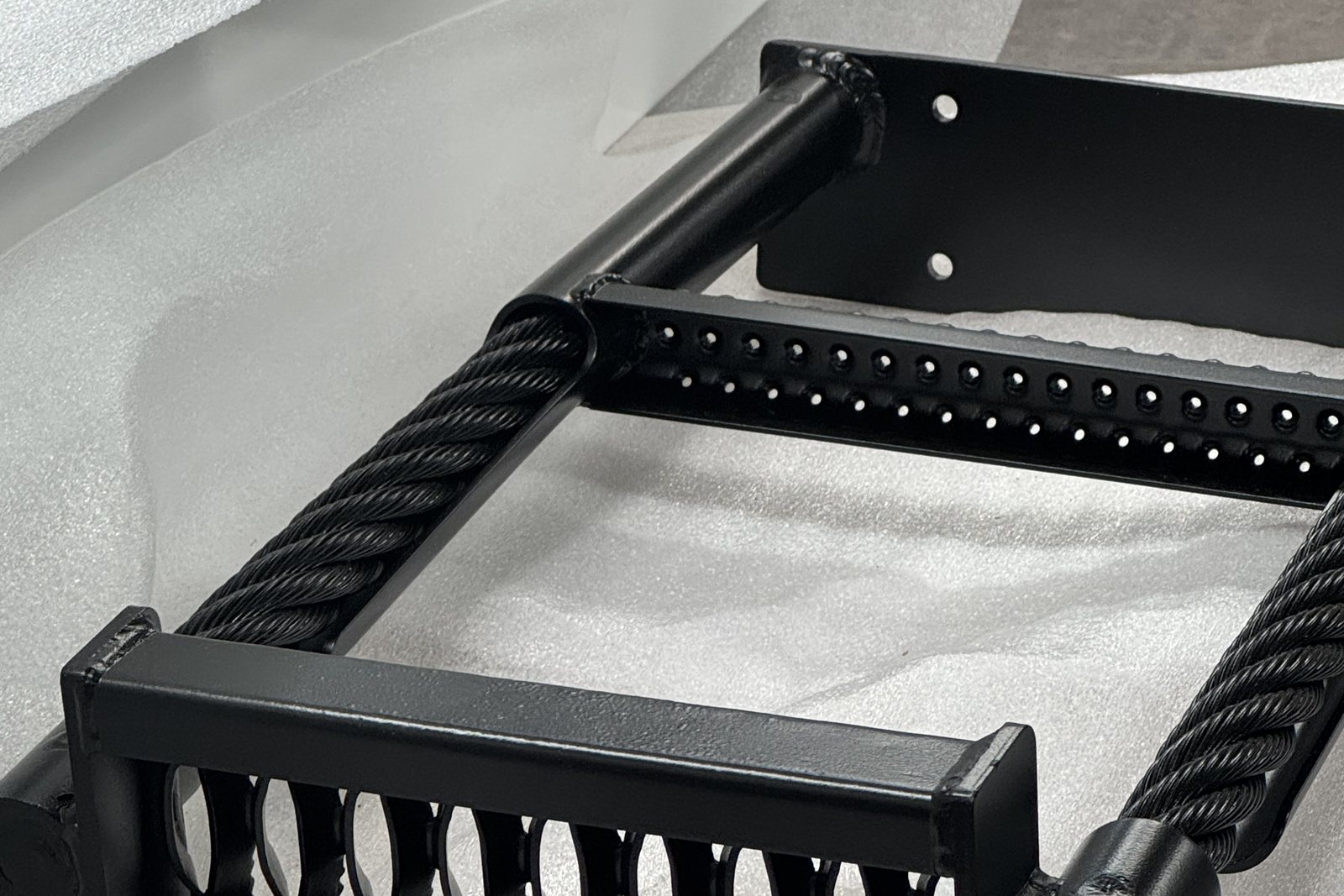
What industrial finishing does Gleco provide?
Zinc and zinc-nickel for corrosion protection, electroless nickel and hardcoat anodize for wear, passivation for stainless, and powder coating and paint for durable finishes — on fasteners, valves, pumps, fluid-power parts, and general fabricated hardware, at high volume.
Do you serve oil, gas, and energy equipment makers?
Yes. We finish valves, fittings, fasteners, and hardware for oil, gas, and energy equipment with corrosion- and wear-resistant coatings, backed by certified quality and full traceability.
Can you handle high-volume industrial production?
Yes. High-mix, high-volume rack and barrel lines at two Texas plants scale from prototype lots to sustained production on the same certifications.
Can you build up an undersized or worn surface?
Within reason, yes. Sulfamate nickel is the usual choice for dimensional restoration because it deposits at low internal stress and machines predictably, and it runs at our McAllen plant. Where the worn surface is a bore or an internal feature, electroless nickel reaches it more evenly. Send the drawing dimension, the current measured size and whether you want it plated to size or plated oversize and ground back.
We have a line down. How do we get a job moved up?
Call the plant rather than emailing — Rowlett is 972-475-4300, McAllen is 956-800-4069 — and say on the call that it is a line-down, because that changes how the work is scheduled, not how it is quoted. Have the alloy, the finish callout and the critical dimension ready; a job that arrives without a specification waits for the answer before it waits for a tank.
What can run in a barrel and what has to be racked?
Small, robust, non-nesting parts run in a barrel. Anything with a critical face, a long thin section, a fine thread that dents against its neighbors, or a machined surface that cannot take contact marks gets racked. Thickness across a barrel load is less even than across a rack, so a print carrying a minimum on one specific feature usually forces racking — that minimum normally traces back to a service condition on the ASTM B633 zinc plating specification.
Can rejected or previously finished parts be stripped and re-run?
Often, but not without risk. Stripping attacks the base metal to some degree, can raise smut or etch on aluminum, and re-introduces hydrogen into high-strength steel, so a re-bake may be required before the parts are usable. Send a sample first with the original finish identified rather than the whole lot — we will tell you whether it strips cleanly or whether the parts are better replaced. The design guide covers what survives a second pass.
Which finish for outdoor or wash-down industrial hardware?
Zinc with a trivalent passivate and a sealer covers most sheltered outdoor hardware, and zinc-nickel is the step up where there is salt spray, elevated temperature or an aluminum mating face. Where the part also has to resist abrasion or hold off a process chemical, high-phosphorus electroless nickel under ASTM B733 is usually a better answer than simply thickening the zinc. Describe the environment and we will propose the finish.
Do you passivate stainless fittings after machining and welding?
Yes. Free iron from tooling and heat tint from welding both have to come off first — heat tint in particular needs mechanical or chemical descaling, because passivating over it seals in a chromium-depleted layer and the part will still rust. Passivation of stainless steel covers the methods and the tests used to prove the passive layer formed.